1.png)
Categories
BothellPublished January 13, 2026
Bothell FAQs

Bothell FAQs
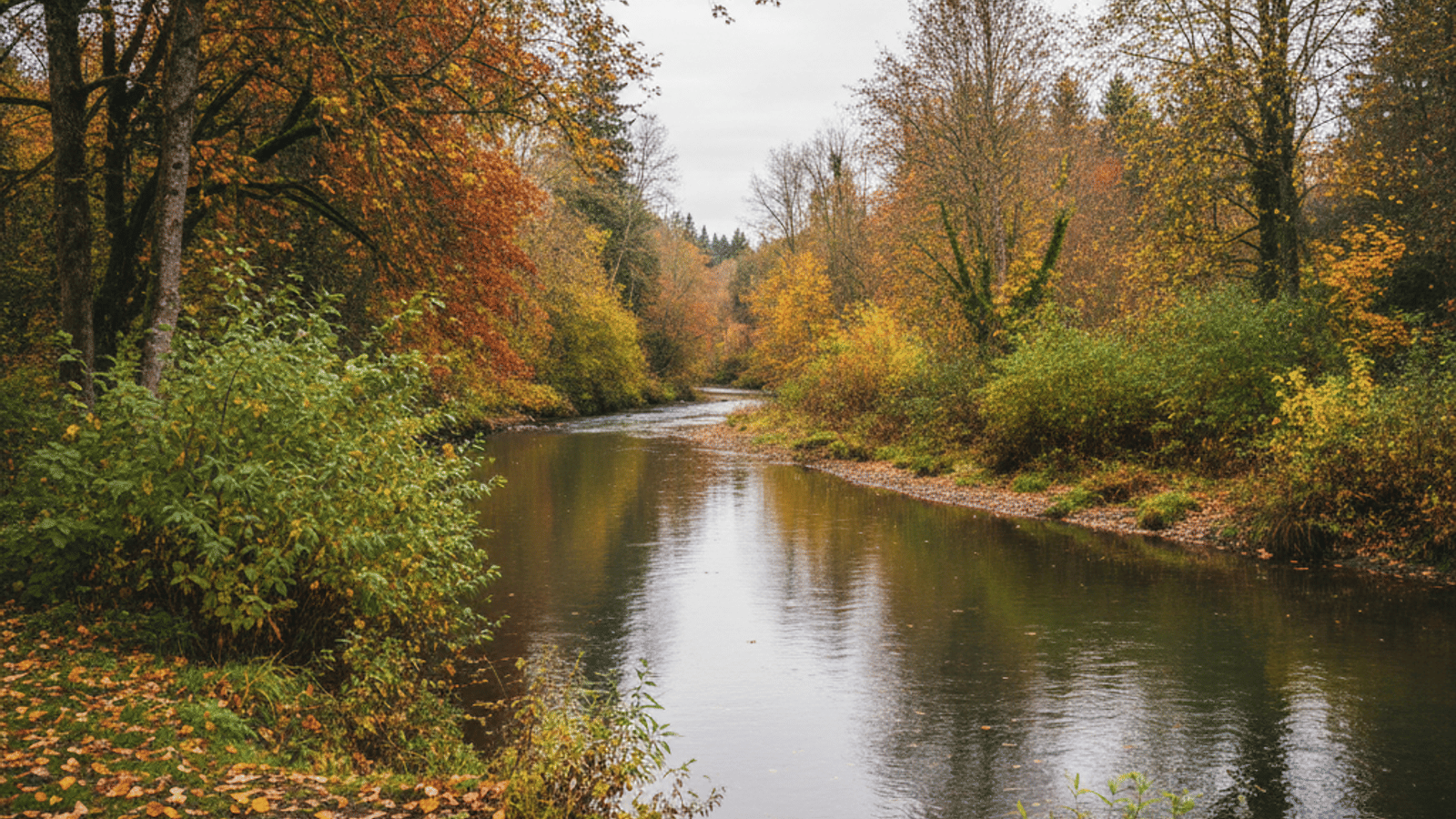
Bothell sits on the north side of the Seattle metro, split between King and Snohomish counties, with the Sammamish River running right through town. Day-to-day life here tends to revolve around a few familiar loops: errands along the main commercial corridors, trail time on the river or North Creek systems, and commuting via I-405 and nearby arterials.
It feels “close-in suburban” in the sense that you’re not far from big job centers, but many blocks still read as wooded and residential.
Buying a Home in Bothell
What should buyers know about Bothell’s typical offer structure?
In competitive pockets, the winning offer is often the one that feels most certain: clean timelines, clear financing, and fewer loose ends. A strong pre-approval (or underwritten approval when available), thoughtful earnest money, and a schedule that matches the seller’s preferred closing window can matter as much as headline price. If multiple offers are common, buyers should be prepared to decide quickly once they find the right fit.
Which contingencies tend to matter most in this area?
When buying a home in Bothell, financing, inspection, and appraisal are the big three, and which one becomes the “pressure point” depends on the property and the price band. Older homes or homes with big-ticket systems (roof, furnace/heat pump, sewer line) often justify a thorough inspection contingency with targeted follow-ups. For newer construction or newer townhomes/condos, document review (HOA/condo) can be just as important as the physical inspection.
Are there inspections that are especially useful in Bothell?
For many resale homes, I like to see buyers think beyond the basic home inspection and consider add-ons that match the site: sewer scope (where applicable), crawlspace and drainage evaluation, and an honest look at grading and downspout discharge. Bothell has plenty of lots near creeks, wetlands, and hillside topography, so moisture management is a recurring theme even when a home looks “dry” on a sunny showing. If a property is near a greenbelt or has mature trees, it’s also smart to evaluate roof condition and ventilation because moss and debris can shorten roof life.
How common are HOAs, and what should buyers review?
HOAs are common in many townhome communities and newer subdivisions, and condos come with a deeper document stack. Buyers should focus on the budget and reserves (not just monthly dues), any special assessments, rental rules, pet rules, and whether there are upcoming major projects (roofing, siding, private road work). It’s also worth confirming what the HOA actually maintains—some cover only shared landscaping, while others handle exterior building elements.
Does seasonality affect selection and pricing in Bothell?
Yes, but it’s more about inventory rhythm than a single “best” month. Spring often brings more new listings and more competition at the same time, while late fall and early winter can mean fewer choices but sometimes more room to negotiate on homes that need work or have longer days-on-market. If you’re flexible on style and condition, the “off-season” can be a practical time to shop carefully without as many bidding wars.
Do flood, wildfire, or environmental disclosures come up in Bothell?
Flooding and drainage risk can be relevant near waterways and low-lying areas, and wildfire risk is usually more about regional smoke exposure and hillside interface conditions than frequent in-town fires. Buyers should read the seller disclosure closely and then match it to what they see on the ground: swales, retaining walls, creek buffers, and any signs of past water intrusion. If a home is near regulated critical areas (wetlands/streams), that can also shape what you can build or change later.
Selling a Home in Bothell
When is the best time to list in Bothell?
The “best” timing depends on your goals: maximizing buyer choice and activity versus minimizing disruption and prep time. Spring and early summer often bring the biggest wave of active buyers, while late summer can be strong for homes that show well and are easy to move into before the school year. Late fall and winter can still work, but presentation and pricing discipline matter more when fewer buyers are touring.
What prep work typically pays off the most?
In Bothell, buyers notice moisture management and maintenance signals quickly—clean gutters, trimmed vegetation away from siding, functioning drains, and a dry-feeling crawlspace or lower level. Fresh interior paint in a consistent palette, flooring repairs, and lighting updates tend to photograph well and remove “mental objections” for buyers. If you have older windows, an aging roof, or deferred exterior paint, it’s worth getting contractor opinions early so you can choose between repair, credit, or pricing strategy.
How do sellers think about pricing bands and competition?
Bothell has multiple micro-markets that can behave differently at the same time—newer construction, established neighborhoods, townhome communities, and homes on premium lots don’t always move in lockstep. A practical approach is to price against the most recent comparable sales and the current active competition that a buyer will tour the same weekend. If your home has a condition gap versus the comps, you usually get a better result by addressing it up front (or acknowledging it clearly in price) than by hoping buyers “won’t mind.”
What disclosures should sellers be ready for in Washington?
Washington sellers typically provide a state seller disclosure statement, and buyers will still rely heavily on inspections. The safest path is to be specific and consistent: what was repaired, when it was repaired, and who did the work. If you’ve had water intrusion, drainage work, foundation or retaining wall repairs, or insurance claims, clear documentation helps reduce buyer uncertainty during escrow.
What repairs come up most during negotiations?
Inspection negotiations frequently center on roof life, attic/crawlspace ventilation, electrical safety items, plumbing (including older supply lines), and evidence of ongoing moisture. Sewer line issues (where homes connect to sewer) can also become a major negotiation item because repairs can be disruptive and expensive. For townhomes and condos, buyers may focus less on the unit and more on the HOA’s building maintenance plan and reserves.
Bothell Market Insights
What do recent market metrics say about Bothell right now?
Bothell’s market tends to reward homes that are priced to the current competition and presented well, but the pace can still vary by property type and pocket. Based on the most recent snapshot:
- Median sale price: $1,025,000 (+1.9% year-over-year)
- Median days on market: 26 days
- Sale-to-list price ratio: 98.2% (roughly 2% below list on average)
How do property taxes work in Bothell?
Property taxes are driven by assessed value and a set of local levies, and Bothell’s split between two counties can add complexity for buyers comparing homes across the city. The practical move is to look up the current assessment and tax history for the specific parcel you’re considering, then budget for changes after a sale (assessments can reset over time). If you’re comparing neighborhoods, use the same method across each property so you’re not guessing.
What are typical closing costs for buyers and sellers here?
Buyer closing costs often include lender fees, appraisal, escrow/title charges, prepaid taxes and insurance, and recording fees; the exact mix depends on financing and timing within the tax year. Seller costs typically include agent commissions (if used), REET, escrow/title charges, and any negotiated credits or repairs. If you want a realistic estimate, the most accurate inputs are the exact loan type (buyer) and the expected sale price plus any known repair items (seller).
What should homeowners know about insurance and utilities in Bothell?
Homeowners insurance pricing is highly property-specific—age of roof, prior claims, and replacement cost tend to drive premiums more than the neighborhood name. Utilities also vary based on home size and systems: electric resistance heat versus heat pump, gas availability, insulation, and how much irrigation a yard needs in summer. For budgeting, it’s reasonable to request the seller’s recent utility averages and then adjust for your household’s usage patterns.
Living in Bothell
What are the main neighborhood areas inside Bothell?
Bothell is often discussed in “subareas” that reflect how the city plans land use and infrastructure. Downtown is the walkable core near the river and civic amenities; Canyon Park has a strong employment/retail mix and major road access; North Creek / NE 195th includes business parks and trail connections; Westhill is largely residential with natural systems shaping street patterns; Maywood / Beckstrom Hill sits on higher ground between creek valleys; and Waynita / Simonds / Norway Hill includes established residential areas near I-405 and the river corridor.
If you’re relocating, the most useful question is less “which is best” and more “which daily loop fits”—commute direction, errands, and how much you value being near trails versus being near freeway ramps.
Which school districts serve Bothell, and how do boundaries work?
Bothell is primarily served by Northshore School District, and school assignment is typically address-based, with processes for enrollment and (in some cases) choice options or transfers. Because boundaries can change and not every Bothell address maps the same way, the safest approach is to use the district’s official boundary and enrollment tools for the exact home address you’re considering.
When comparing homes, keep the conversation factual: confirm assignment first, then evaluate programs and logistics that matter to your household.
How do most people commute from Bothell?
Commute patterns generally point toward I-405 for north-south travel and key arterials for east-west connections into nearby job centers. Travel times can swing significantly by time of day, school schedules, and construction season, so it’s worth doing a “test drive” during your likely commute window rather than relying on a mid-day estimate. Park-and-ride options and bus routes can help in some corridors, especially for commuters heading toward major transit hubs.
What transit options are available without a car?
Bothell’s overall layout is still car-oriented, but there are meaningful pockets of walkability near Downtown and along trail-connected areas. Bus service and park-and-ride commuting can be practical depending on your destination and schedule, and many residents mix modes (drive to a transit node, then ride). For everyday errands, proximity to a grocery cluster and a reliable sidewalk network often matters more than a map label like “walk score.”
What should residents know about parks, trails, and outdoor access?
Bothell’s trail network is one of its everyday quality-of-life anchors, with multi-use paths and green corridors that connect neighborhoods to parks and natural areas. The Sammamish River corridor and North Creek systems show up in weekend routines—walks, runs, bikes, and quick nature breaks that don’t require a long drive. If outdoor access is a priority, look at how directly your home connects to trails and whether you’ll be crossing major arterials to reach them.
How should people think about safety information in Bothell?
Safety is best approached with neutral, verifiable information rather than vibes or broad claims. For specific concerns, residents can review publicly available information from local law enforcement and city sources, and it’s also useful to visit the exact block at different times of day to understand lighting, traffic, and activity. If you’re comparing areas, focus on practical factors you can observe—street design, pedestrian crossings, and how the immediate surroundings are maintained.
Do I need permits for renovations, and are there rules that affect what I can build?
Most structural, electrical, plumbing, and mechanical work requires permits, and rules can be stricter if a property is near wetlands, streams, steep slopes, or other regulated “critical areas.” Before you design too far ahead, it’s smart to confirm what’s allowed for your parcel, especially for additions, retaining walls, or significant grading. For owners considering ADUs or major remodels, early conversations with the city’s permit staff and a site-informed contractor can prevent expensive redesigns.
Questions about a Local Bothell Agent
What sets a strong Bothell agent apart from others?
The most meaningful difference is usually local pattern recognition: knowing which pockets behave differently, how buyers react to drainage/topography issues, and what inspection items tend to re-trade in negotiations.
A strong agent also communicates in a way that reduces surprises—clear timelines, clear expectations, and documented decision points. Finally, they should be fluent in the transaction details that matter in Washington: disclosure norms, contingency strategy, and how to keep escrow moving when inspections reveal real issues.
What should I look for when choosing an agent to buy or sell in Bothell?
Start with fit for the job you actually have: a condo sale, a townhome purchase with HOA documents, a larger-lot home with drainage considerations, or new construction all require slightly different experience.
Ask how they evaluate pricing and condition (not just what they “think it’s worth”), how they handle inspection outcomes, and how they communicate during high-pressure moments. It’s also reasonable to ask for a simple, step-by-step plan tailored to your property type and timeline—clear enough that you can compare approaches across agents.
Water, Wetlands, and Critical Areas in Bothell
Should buyers worry about flooding near creeks and the river?
Not every home near water is at meaningful flood risk, but Bothell does have waterways and low-lying areas where drainage and floodplain mapping can matter. The practical approach is to check flood maps for the parcel, review the seller’s history and disclosures, and look for on-site cues like grading, downspout discharge, and any past water staining in basements or crawlspaces. If risk indicators show up, talk with your insurer early so you understand coverage options before you remove contingencies.
How can critical areas affect remodel plans?
If a property is near wetlands, streams, or steep slopes, there may be buffers, limits on grading, and additional review steps before permits are approved. That doesn’t mean “no remodel,” but it can change the cost, timeline, and what is feasible on a specific lot. If you’re planning anything beyond cosmetic work, confirm constraints early—ideally before purchase—so you’re not buying a plan that can’t be permitted.


or another way