1.png)
Categories
BothellPublished June 2, 2026
Understanding the Average Rent in Bothell, WA for 2026

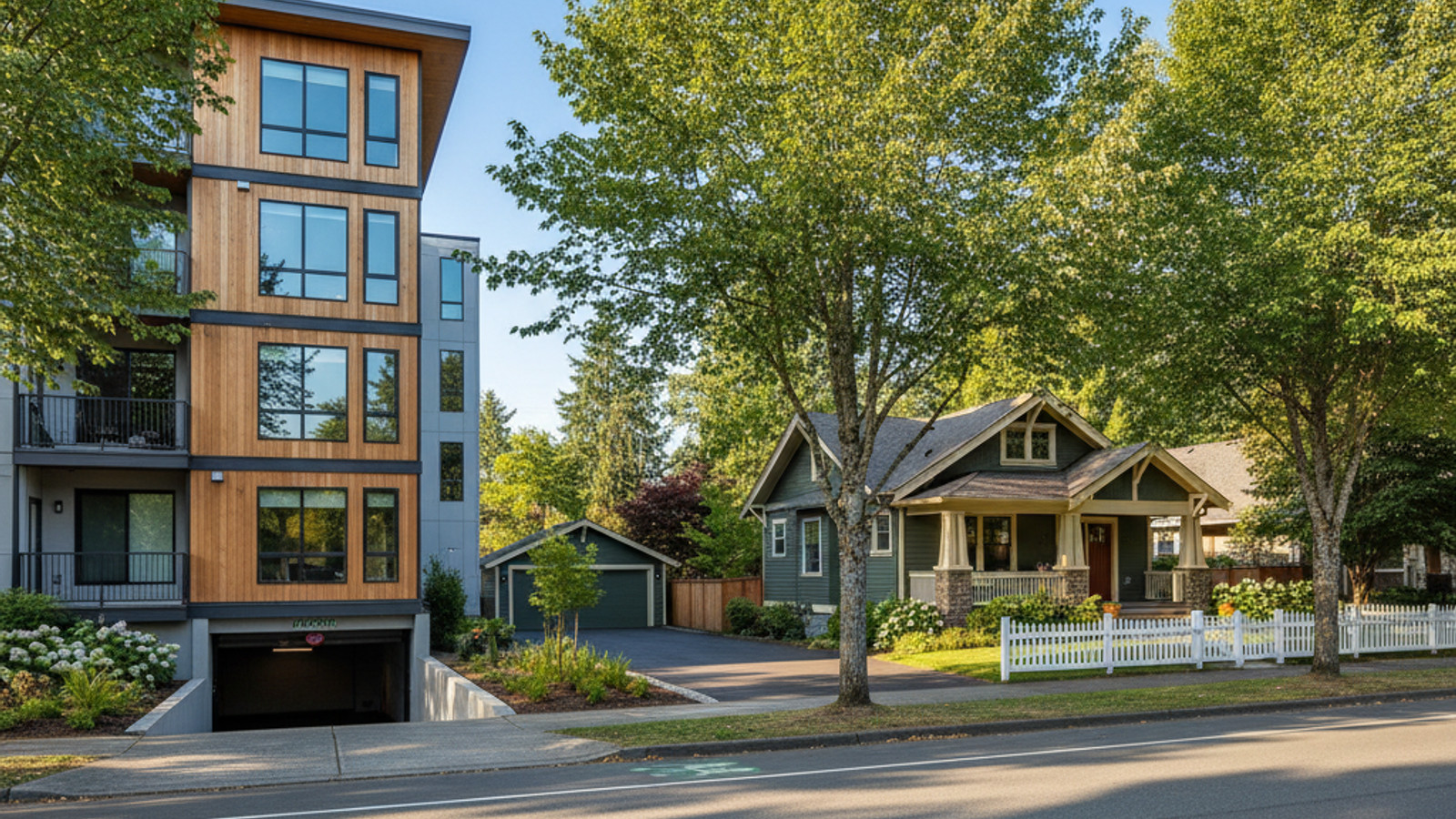
Renters looking at the Eastside often check the average rent in Bothell, WA to see how it aligns with their housing budget. Tracking this data helps tenants understand what to expect before signing a lease. The city sits at the intersection of King and Snohomish counties, offering quick access to major employment centers across the Seattle metropolitan area.
Prices here reflect the constant demand for housing near major tech hubs and the University of Washington Bothell campus. The local rental market remains active year-round as new residents arrive in the Pacific Northwest. Finding the right apartment involves looking at current market data and understanding how different property types affect your monthly costs.
Relocating to Washington state requires careful financial planning. Renters should review recent pricing trends to prepare for their upcoming move. Establishing a clear budget early makes it easier to evaluate available listings.
Understanding the local atmosphere helps renters decide if this Eastside city fits their needs. The area maintains a distinct identity separate from the larger urban centers nearby. Gathering accurate data is the first step toward a successful relocation.
Current Rental Prices by Property Size
The overall average rent for the city sits around $2,275 per month as of May 2026. This figure blends older garden-style complexes with newer mid-rise buildings located closer to the downtown core. Total monthly costs vary widely based on the square footage and the number of bedrooms you need.
Renters looking for standalone housing will find that single-family homes command a premium over standard apartment units. These houses often feature private yards and attached garages, driving up their monthly rates. Studio and one-bedroom units offer a more accessible entry point for single renters or couples.
Newer luxury apartments often skew the overall average higher. These properties frequently include high-end finishes, central air conditioning, and smart home technology. Older buildings may lack these features but provide a more budget-friendly option.
Move-in costs generally require the first month of rent and a matching security deposit. Some property managers also charge non-refundable administrative fees during the initial lease signing. Renters should keep these upfront expenses in mind when reviewing the average monthly rates.
Understanding the exact breakdown by unit size helps clarify the local housing landscape. Here is a look at current monthly averages based on property type:
- Studio apartments average $1,750 to $1,800 per month.
- 1-bedroom apartments typically range from $1,950 to $2,050.
- 2-bedroom apartments average between $2,450 and $2,500.
- Single-family homes generally cost $3,400 to $3,500 per month.
How Bothell Compares to Other Eastside Cities
Renters often look at neighboring communities to see how pricing changes across city lines. Kirkland generally commands higher rent averages, driven by its waterfront properties and proximity to downtown Bellevue. Tenants moving from Kirkland to Bothell often find they can secure more square footage for the same monthly payment.
Heading slightly north or east changes the financial picture. Kenmore and Woodinville feature rental markets that closely mirror the prices found in Bothell. Kenmore offers similar access to State Route 522, keeping rent prices competitive between the two cities.
Woodinville single-family home rentals often skew higher due to larger lot sizes and the proximity to the local wine district. Renters should compare these nearby options if their search within Bothell comes up short. Expanding the search radius by just a few miles can reveal different housing styles and pricing tiers.
Redmond also serves as a strong point of comparison for Eastside renters. Due to the large number of corporate tech campuses, Redmond apartments typically price higher than similar units in Bothell. Renters willing to commute a bit further can use this price difference to their advantage.
Daily Commutes and Transit Options
Most residents rely on Interstate 405 and State Route 522 to reach nearby employment centers. A typical morning commute to Seattle takes roughly 35 to 50 minutes via SR 522 or Interstate 5, depending on departure times. Traffic patterns change daily, so drivers should plan for variable travel times during peak hours.
Traveling south to Bellevue is generally faster for local professionals. Drivers can expect to spend roughly 20 to 35 minutes on I-405 to reach downtown Bellevue or the neighboring tech corridors. Express toll lanes on I-405 offer an option to bypass some congestion during the morning rush.
Public transport provides a reliable alternative to driving a personal vehicle. Commuters utilize King County Metro and Community Transit bus routes to reach rapid transit hubs and major office parks across the metro area. Local park-and-ride lots fill up quickly on weekday mornings.
Hybrid work schedules have slightly altered local traffic flow, but main arterial roads remain busy. Renters should test their expected commute route during rush hour before signing a lease. Understanding the daily drive ensures the location works for your professional routine.
Parks, Retail, and Campus Access
The local geography includes several measurable landmarks and outdoor resources that appeal to residents. The Sammamish River Trail runs directly through the area, connecting to Blyth Park and providing miles of paved pathways. This trail system connects directly to the broader regional network, offering extensive routes for running and cycling.
Downtown Bothell features a dense concentration of restaurants, coffeehouses, and retail storefronts along Main Street. Many newer apartment buildings are constructed directly adjacent to this central commercial district. Residents can easily access a local grocery store or pharmacy without driving to a larger shopping center.
Education infrastructure also shapes the local rental map and drives seasonal housing demand. Most rental properties fall within the boundaries of the Northshore School District, and the University of Washington Bothell campus anchors the southern edge of the city. Proximity to the campus keeps a steady stream of students and faculty entering the local rental market each year.
Beyond the immediate city limits, residents enjoy access to broader regional amenities. Weekend trips to the Pacific Ocean or the Cascade Mountains are common for locals looking to explore the state. Access to major healthcare networks also provides residents with plenty of options when selecting health insurance providers.
What to Expect When Searching for an Apartment
The local inventory includes a mix of older low-rise buildings and modern mixed-use developments. Different neighborhoods offer varying concentrations of 1-bedroom apartments and larger multi-bedroom layouts. Newer buildings tend to feature modern amenities like fitness centers and rooftop decks, which are reflected in their higher monthly rates.
Base rent is rarely the final monthly expense when securing a new home. Tenants should budget for additional costs like water, sewer, garbage, and reserved parking spaces. These utility and parking fees are often billed separately from the base lease, adding several hundred dollars to the total monthly cost.
Lease terms also dictate the final price tag on a rental unit. Signing a standard 12-month agreement generally secures the lowest monthly rate from property managers. Month-to-month agreements or short-term leases carry a noticeable premium, sometimes adding 10% to 20% to the base rent.
The application process moves quickly during the peak summer leasing season. Prospective tenants should have their income documentation and references ready before touring a property. Paying the application fee and submitting the paperwork immediately after a tour is often necessary to secure a desired unit.
Pet owners face an additional layer of expense and limited inventory when browsing the market. Most complexes charge monthly pet rent alongside a separate pet deposit. Renters with dogs should confirm breed restrictions before submitting an application.
Frequently Asked Questions
What is the typical rent budget in Bothell, WA?
Renters should plan for an overall average of $2,275 per month before factoring in utilities. A complete budget should also account for internet service, renter's insurance, and any pet fees.
What is the average rent for a 1-bedroom apartment in Bothell, WA?
A standard 1-bedroom apartment runs between $1,950 and $2,050 per month. Newer buildings near the downtown core often price their units near the top of this range.
How does the cost of living in Bothell compare to Seattle?
Housing costs here are generally lower than in central Seattle neighborhoods. However, residents often spend more on transportation if they commute daily to the city center.

Mindy Newton
| Greater Sound Team Real Estate | Real Broker LLC


or another way